12 Must-See Paintings at the Met in New York, Meet Them First as Puzzles
Published
The Metropolitan Museum of Art on Fifth Avenue in New York is so large that it is hard to see it all in a day. That is why many people go with a list of things they must see. What is chosen here is the paintings section of that list. These are 12 widely known works among those the Met has released into the public domain, and all of them can be assembled in advance as jigsaw puzzles. Assemble one once, then stand in front of the painting, and the details catch your eye first.
| Work | Artist | Date | Type |
|---|---|---|---|
| Washington Crossing the Delaware | Emanuel Leutze | 1851 | American history painting |
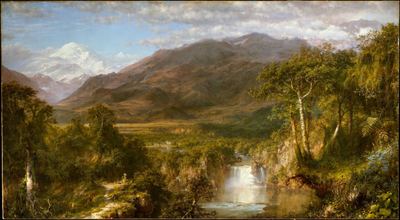
| Heart of the Andes | Frederic Edwin Church | 1859 | American landscape |
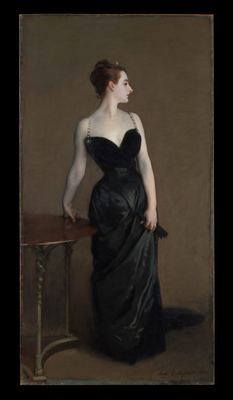
| Madame X | John Singer Sargent | 1883–84 | Portrait |
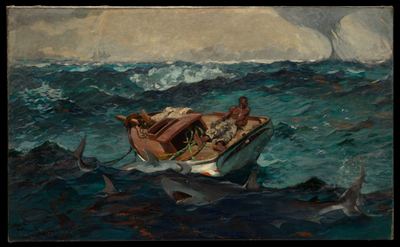
| The Gulf Stream | Winslow Homer | 1899 | American painting |
| The Harvesters | Pieter Bruegel | 1565 | Landscape |
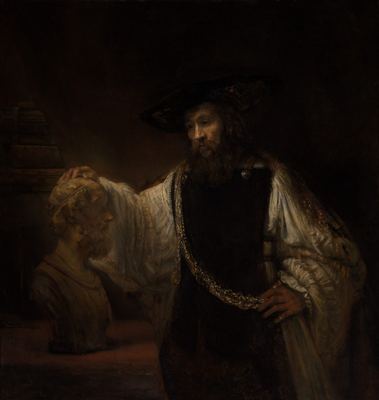
| Aristotle with a Bust of Homer | Rembrandt | 1653 | Figure painting |
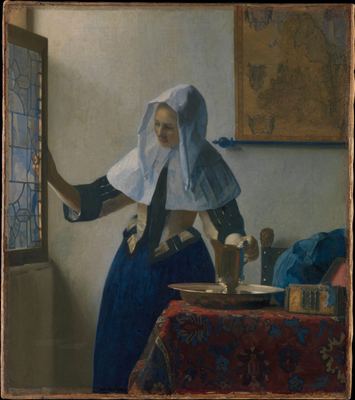
| Young Woman with a Water Pitcher | Johannes Vermeer | ca. 1662 | Interior |
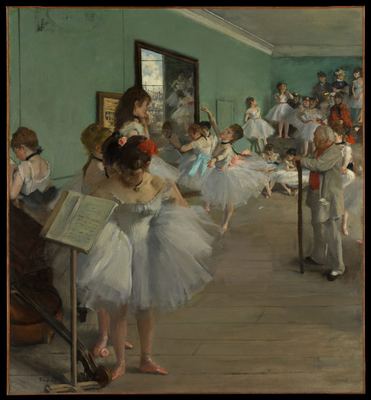
| The Dance Class | Edgar Degas | 1874 | Impressionism |
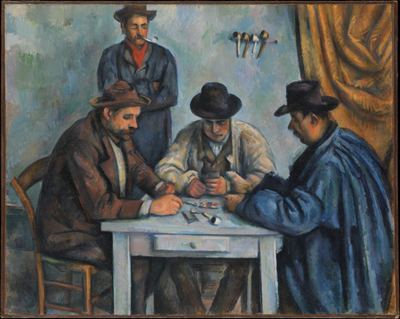
| The Card Players | Paul Cézanne | 1890–92 | Post-Impressionism |
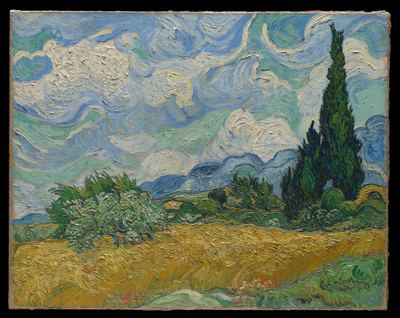
| Wheat Field with Cypresses | Vincent van Gogh | 1889 | Post-Impressionism |
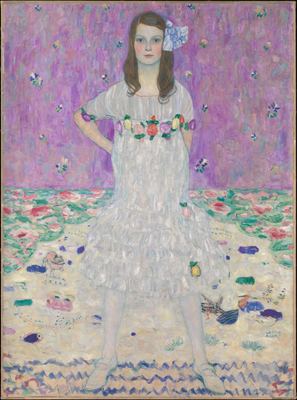
| Mäda Primavesi | Gustav Klimt | 1912–13 | Portrait |
| Under the Wave off Kanagawa | Katsushika Hokusai | early 1830s | Japanese woodblock print |
The face of a nation in the American Wing
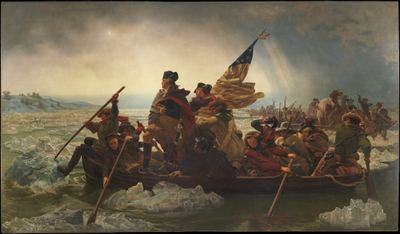 Solve this painting as a puzzle → about 5 minutes on Easy
Washington Crossing the Delaware is a huge work, 6.5 meters wide, and standing before the original, you are overwhelmed by its size first. It depicts the crossing on Christmas night in 1776, but it gets a lot wrong historically. The actual crossing took place in the middle of the night, and the Stars and Stripes in the painting had not yet even been made at the time. Even so, this painting became the scene Americans picture when they think of the birth of their nation.
Heart of the Andes was hung by itself in a darkened room in New York in 1859 with an admission charge, and 12,000 people came to see it in three weeks. Visitors examined the details through opera glasses. In front of the original, go up close too and look for the leaves and birds.
Madame X is the portrait that caused a scandal at the 1884 Paris Salon and led Sargent to leave Paris. At first the right shoulder strap had slipped down. Thirty years later, when Sargent sold the painting to the museum, he called it “the best thing I have done.” The Gulf Stream is Homer’s sea painting of a small boat with a broken mast and sharks circling it. The six American paintings can be seen in more detail in the post on American painting.
From Bruegel’s August to Vermeer’s window
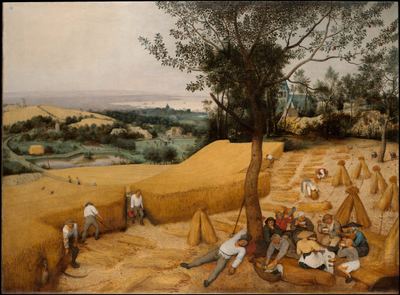
The Harvesters depicts August from a 1565 series of the twelve months. Only five paintings from the series survive, scattered among Vienna, Prague and New York, and this is the one you can see in New York. They are counted among the first paintings to take farm work itself as their subject instead of the Bible or mythology.
Aristotle with a Bust of Homer is the Rembrandt that made the news in 1961 when the Met bought it for what was then the highest price ever paid at an art auction. In the darkness, light touches only the face, the white sleeve and the bust.
Young Woman with a Water Pitcher is said to be the first Vermeer to come to the United States. Vermeer left only thirty-some paintings in his lifetime, and five of them are at the Met. Few museums let you see this many Vermeers in one place. The story of Rembrandt and Vermeer continues in the post on the Dutch masters.
Degas, Cézanne, Van Gogh, Klimt
The Dance Class is Degas’s signature work that paints dancers waiting, bored, in the rehearsal room rather than the moment of dancing. The Card Players is the version, among the five times Cézanne painted the subject, in which three men play cards while a fourth watches from behind.
Wheat Field with Cypresses was painted while Van Gogh was at the asylum in Saint-Rémy. It is the painting he described to his brother Theo as the best of his summer paintings. The Met also has Van Gogh’s self-portrait, irises and sunflowers, and those six works are gathered in the post on Van Gogh.
Mäda Primavesi is the only full-length portrait of a child that Klimt painted. The nine-year-old girl stands with her feet apart and looks straight ahead with confidence.
The most reproduced wave in the world
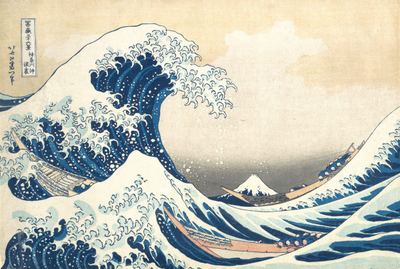
Under the Wave off Kanagawa is the first sheet of Thirty-six Views of Mount Fuji, which Hokusai published around the age of seventy. Because it is a woodblock print, thousands of impressions of the same picture were made, and they are scattered in museums around the world. But prints are sensitive to light, so they are often not on display. If you are going to see this one, be sure to check first whether it is on view.
Checking whether a work is on view before you go
Works in large museums are sometimes away because of loans, conservation or gallery rotations. The object page on The Metropolitan Museum of Art’s website shows whether the work is currently on view and its gallery number. The “Source” link at the very bottom of each puzzle page leads to that object page, so once you have settled on your list, click through and check them one by one. How these images came to be released for free is explained in the story of public domain images.
In front of the painting: “That was the piece”
The time people spend in front of a single painting in a museum is usually a few dozen seconds. If you have assembled the same painting as a puzzle beforehand, a moment comes in front of the original when you think, “Ah, that was the piece.” First learn the whole picture on Easy (about 24 pieces), then assemble only the works you liked once more on Normal or Hard. With big paintings like Heart of the Andes or Washington Crossing the Delaware, there is so much detail that more pieces actually make assembling them more satisfying.
A painting you would have passed in a few dozen seconds becomes, once you have put it together by hand, a painting that stops you in your tracks.
Frequently asked questions
Which paintings should I not miss at The Metropolitan Museum of Art?
Widely known ones include Leutze's Washington Crossing the Delaware, Sargent's Madame X, Bruegel's The Harvesters, Rembrandt's Aristotle with a Bust of Homer, Vermeer's Young Woman with a Water Pitcher and Van Gogh's Wheat Field with Cypresses.
How do I check whether a work I want to see is currently on view?
The object page on The Metropolitan Museum of Art's website shows whether the work is on view and its gallery number. Prints and drawings are sensitive to light and often are not on display, so it is especially worth checking before you go. The source link at the bottom of each puzzle page on this site leads directly to that object page.
Can I use images of works from The Metropolitan Museum of Art for free?
The museum states that images of works it has judged to be in the public domain and released under CC0 can be used freely, including for commercial purposes. All 12 works in this post are images released that way.