A 4-Week Plan for Masterpiece Puzzles at Home with Kids over Winter Break
Published
When school breaks drag on, things to do with the kids run out quickly. Cutting out screens entirely is hard, but you can’t leave them watching videos all day either. Masterpiece puzzles sit somewhere in the middle. They use a screen, but hands and eyes have to keep moving, and by the time a puzzle is done, the child has spent quite a long time looking at a painting.
Below is a plan for 15–30 minutes a day over four weeks, changing the theme once a week. A change of theme keeps the child from getting bored, and adults don’t have to wonder “what should we do today?”
Before you start: just decide the piece count
The yardstick is not age but how long the child can stay seated in one place. The details are in a child’s first jigsaw puzzle; in short:
| Child | Difficulty | Daily amount |
|---|---|---|
| Preschool | Easy (about 24 pieces); an adult picks up pieces and the child chooses where they go | One puzzle |
| Elementary grades 1–2 | Easy (about 24 pieces) | One or two puzzles |
| Elementary grades 3–4 | Easy to Normal (24–48 pieces) | One puzzle |
| Elementary grades 5–6 and up | Normal to Hard (48–100 pieces) | One puzzle, which can be split over two days |
If you stop partway, reopening it on the same device picks up where you left off. So a promise of “just 15 minutes” lasts longer than “until it’s finished.”
Week 1: Winter paintings
The first week starts with paintings that match the weather outside the window. The winter masterpiece puzzles collection gathers twelve works that capture winter. In Avercamp’s Winter landscape with skaters, hundreds of people skate on a frozen canal, each doing something different, which makes it good for a “who fell down?” search game with a child.
 Solve this painting as a puzzle → about 5 minutes on Easy
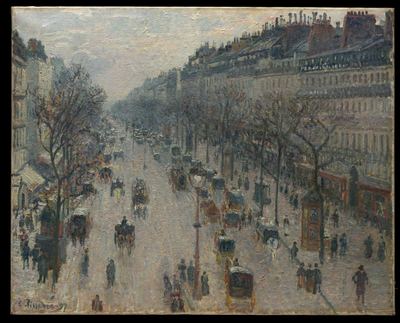
The Boulevard Montmartre on a Winter Morning is a broad Paris street painted by Pissarro in 1897. Carriages and people are scattered like dots, and the buildings are wrapped in the hazy light of a winter morning. The colors are evenly pale, so Easy suits younger elementary children.
The same collection also has three sheepskin coats. They were worn in the countryside of Eastern Europe, with the fleece on the inside and embroidery on the outside, for winter festivals and weddings. Fitting together a garment instead of a painting is a different kind of experience for a child.
Questions to ask after finishing: Where in the picture looks the coldest? Where might these people be going?
Week 2: Christmas
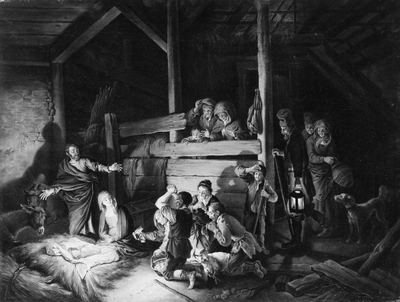
The second week is timed to the Christmas season. The Christmas masterpiece puzzles collection arranges ten works in the order of the Christmas story, from the Annunciation to the Adoration of the Shepherds to Mary holding the child. Do one a day in story order, and you go around once in two weeks.
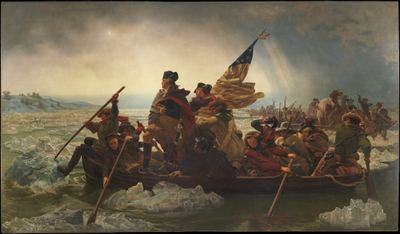
There is one more painting connected to Christmas. Washington Crossing the Delaware, painted in 1851, depicts Christmas night of 1776, when Washington crossed a river full of floating ice to make a surprise attack on the enemy at Trenton. It has soldiers rowing and pushing away the ice, which makes a good lead-in to the idea that Christmas was not always a warm day. With many people and pieces of ice, it suits older elementary children.
Questions to ask after finishing: How do you think the people in the picture are feeling right now? Why did they cross the river on Christmas night?
Week 3: Animals
Midway through the break, when concentration flags, animals work best. The animals in masterpieces puzzles collection has twelve paintings featuring dogs, horses, cats, lions and squirrels.
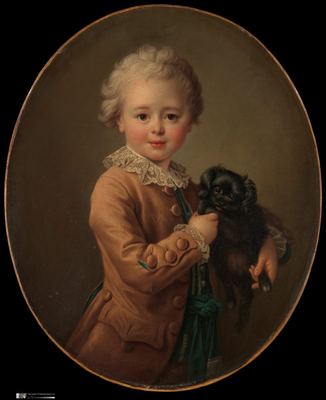
For paintings where an animal is shown large, like Boy with a Black Spaniel, have the child find and fit the animal first. Letting the child pick the day’s animal is another approach. There is more about animal paintings in animals in classical paintings.
Questions to ask after finishing: What is the relationship between this animal and the person in the picture? How would the picture change without the animal?
Week 4: Korean paintings for Seollal
If the Seollal (Korean Lunar New Year) holiday falls near the end of the break, finish with the Korean paintings for Seollal puzzles. There are ten Joseon dynasty paintings, from “Hawk at Sunrise,” showing a hawk greeting the New Year’s sunrise, to grapes with a climbing squirrel and chaekgado (scholar’s bookshelf paintings).
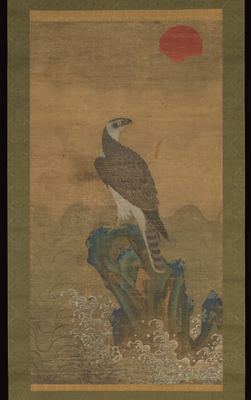
These paintings center on gradations of ink, so they have to be fitted by the flow of line rather than by color, which takes a different feel from the first three weeks. If you are with grandparents for Seollal, you can put the puzzle up on the TV and take turns, as described in family puzzles for the holidays. Tips for Korean paintings are in the Korean painting puzzle guide.
Questions to ask after finishing: Where did the brush paint dark, and where light? Why paint the sun and a hawk for the New Year?
On days when screens get boring, use paper
Every work has a two-page A4 printable PDF. Cutting along the dotted lines on page 2 gives 21–27 pieces, and because it is a straight grid with no curves, even younger elementary children can cut it with scissors. Print settings are covered in how to print printable puzzles. Keep the cut pieces in an envelope, and you can take them out and put them together again the next day.
On days when choosing is a chore, Today’s Puzzle
Some days it is hard to stick to the four-week plan. On those days, open Today’s Puzzle and the day’s work is already chosen. How to build a habit just by opening it once a day is in making masterpiece puzzles a habit.
When the four weeks are over
Over a month, you will have put together twenty-some paintings. At the end of the break, have the child pick the one “most memorable painting,” and it is nice to read its commentary together. The full commentary on each puzzle page briefly explains what is depicted in the painting, and when, by whom and why it was painted.
Frequently asked questions
How much time a day should we spend on puzzles with a child over winter break?
15–30 minutes a day is enough. Easy (about 24 pieces) takes around 5 minutes, but time grows faster than the piece count as pieces increase, so one or two Easy puzzles for younger elementary children and one Normal puzzle for older ones makes a good daily amount. Even if you don't finish, you can pick up where you left off by reopening it on the same device.
Can we do it on paper instead of a screen?
Every work has a two-page A4 printable PDF. Page 1 is the picture to look at, and page 2 is the picture with dotted cutting lines. It is a straight grid of 21–27 pieces, so children can cut it with scissors.
Do we need to sign up or pay?
No. All the works are paintings that museums have released into the public domain, and the puzzle starts as soon as you open its page.